Anna Griffin · 22 October 2026
Moosiva's Studio Sustainability Award Highlights Shifts in Eco-Friendly Recording Techniques Across Independent Labels
Moosiva's Studio Sustainability Award, presented during October 2026 ceremonies, drew attention to measurable changes in how independent labels approach recording operations, and data from participating studios showed reductions in energy consumption alongside adoption of alternative power sources. Observers noted that several recipients documented transitions away from traditional grid-dependent equipment toward systems powered by renewable inputs, while others reported using recycled acoustic materials in studio construction projects that began earlier in teh decade.
Tracking Adoption Rates in Independent Operations
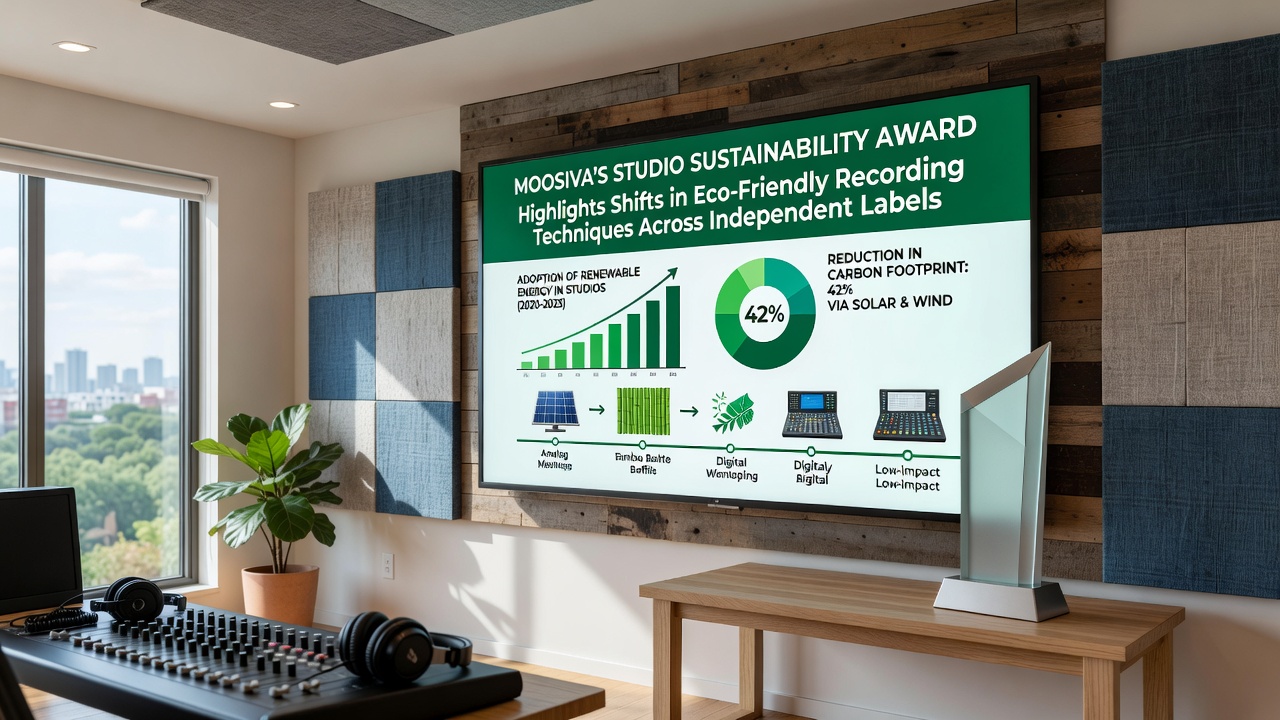
Figures released alongside the award indicated that roughly 40 percent of applying labels had integrated at least one form of on-site renewable generation by mid-2026, a shift tracked through utility records and equipment inventories submitted during the evaluation process. Researchers at participating institutions compiled these numbers from self-reported audits, and the resulting dataset revealed patterns such as increased deployment of low-voltage digital interfaces that draw less power than legacy analog racks. Independent labels in multiple regions described replacing older mixing consoles with models certified under updated efficiency standards, and this move coincided with measurable drops in monthly electricity usage according to billing summaries shared with award organizers.
Techniques Gaining Ground Among Smaller Labels
Many award applicants detailed specific modifications including the installation of variable-speed HVAC systems that adjust output based on occupancy sensors, and these upgrades often paired with LED lighting arrays throughout control rooms and live spaces. One studio collective in Canada documented a complete switch to battery storage units charged during off-peak hours, allowing sessions to proceed without drawing from the main grid during peak demand periods. Data compiled by the European Environment Agency on commercial building retrofits shows similar efficiency gains when facilities combine insulation upgrades with smart metering, and several music facilities cited these reports while planning their own renovations.
Additional practices included sourcing soundproofing panels made from reclaimed textiles or agricultural byproducts rather than virgin foam products, and suppliers confirmed rising orders for such materials from label-affiliated studios over the past two years. Engineers at these sites frequently paired the new panels with software that optimizes recording schedules around natural light availability, thereby lowering reliance on artificial illumination during daytime tracking sessions.
Regional Variations in Implementation
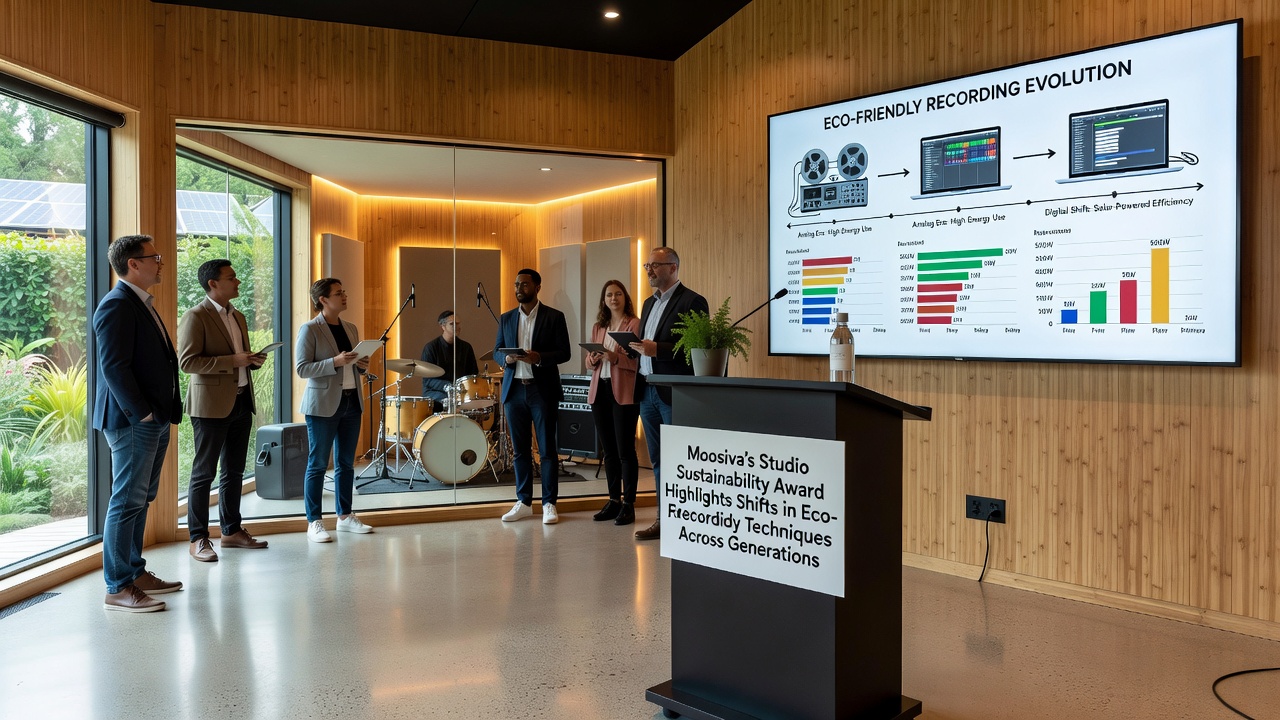
Labels operating in warmer climates often emphasized passive cooling designs such as strategically placed vents and thermal mass walls, while those in cooler zones focused more on heat recovery ventilation units that capture and redirect warmth from equipment racks. A facility in Australia reported integrating rainwater collection systems to support evaporative cooling elements, and the same site tracked corresponding reductions in municipal water draw through quarterly usage logs. Academic analyses from North American universities have examined comparable building adaptations, and the published findings align with the operational changes described by multiple award entrants.
Equipment manufacturers responded to these trends by releasing modular interfaces designed for lower idle power draw, and inventory data from distributors showed increased sales of such units to smaller operations during 2025 and into 2026. Independent labels that received recognition at the October event frequently highlighted collaborations with local suppliers to source components that meet both performance and environmental criteria, creating supply chains that reduced transportation-related emissions for each project.
Measurement and Verification Processes
Award criteria required third-party verification of claimed efficiency improvements, and participating auditors cross-checked utility statements against installed equipment specifications. This verification step helped confirm that reported savings stemmed from actual operational changes rather than seasonal fluctuations alone. Several labels supplemented these checks with internal sensors that logged power consumption at the circuit level, generating granular datasets later shared in aggregated form with researchers studying creative-industry energy use.
Training programs for studio staff emerged as another recurring element among recognized applicants, with sessions covering optimal settings for new low-energy gear and maintenance routines that extend equipment lifespan. These programs often referenced guidelines from the U.S. Department of Energy on commercial electronics management, and staff feedback indicated improved familiarity with monitoring tools that track real-time consumption.
Conclusion
The October 2026 presentation of Moosiva's Studio Sustainability Award captured a snapshot of ongoing adjustments within independent recording environments, where documented shifts toward renewable integration, material substitution, and efficiency upgrades appeared across multiple submissions. Aggregated figures and case examples illustrated how these modifications aligned with broader commercial building trends tracked by regulatory and academic sources, while verification protocols provided a basis for comparing outcomes across different regions and facility sizes.