Otto Washington · 24 September 2026
Moosiva's Archival Sound Libraries Reveal Patterns in Genre Blending Across Decades
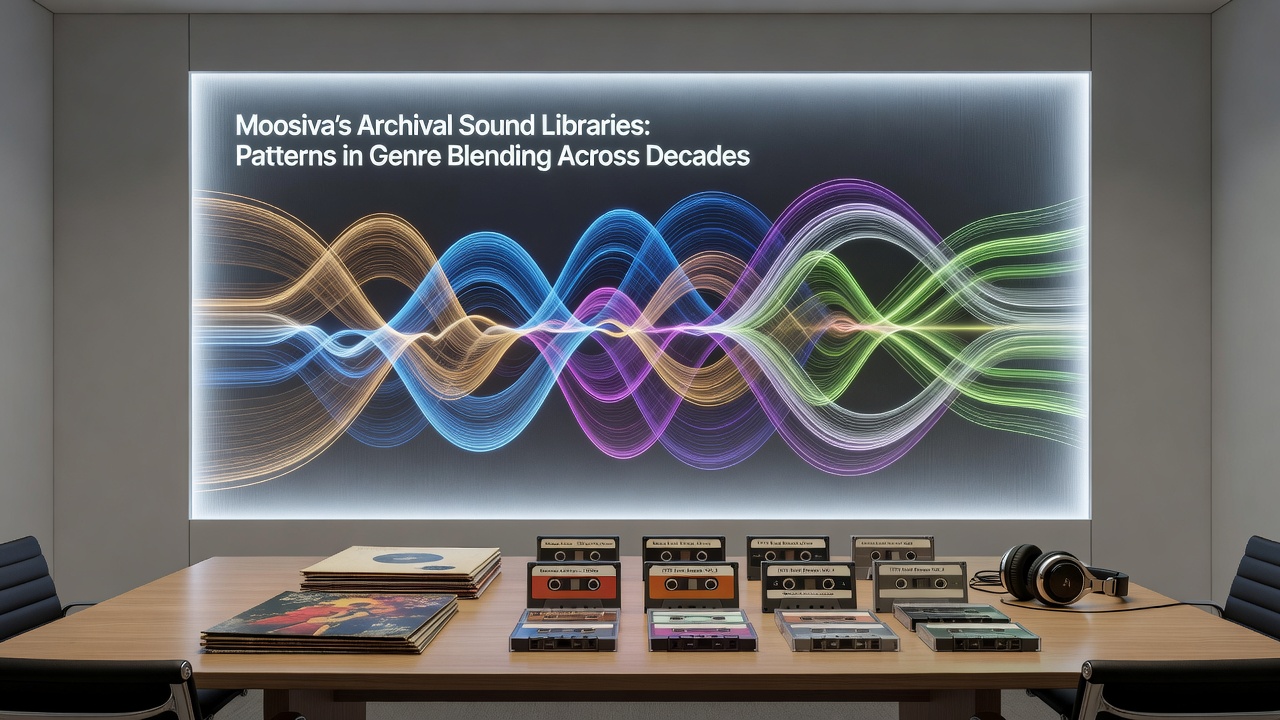
Moosiva maintains extensive sound libraries that span from the mid-20th century through the present, and researchers examining these collections have identified recurring patterns where artists combine elements from distinct musical traditions. The archives contain recordings, production notes, and metadata that document how genres evolve through cross-pollination rather than isolation, with clear clusters of blending activity appearing in specific time periods.
Early Patterns in Mid-Century Archives
Data from Moosiva's holdings shows that between 1955 and 1965, rhythm and blues structures frequently merged with country instrumentation, producing tracks that later formed the foundation for rock and roll. Metadata tags indicate that producers often listed multiple source genres for single recordings, a practice that increased steadily during this decade. Library records reveal that session musicians who worked across regional styles contributed to these overlaps, with session logs listing performers who moved between studios in different cities.
By the late 1960s, the same archives document jazz harmony combined with rock rhythm sections, and observers note that these combinations appear most often in releases from independent labels rather than major ones. The pattern repeats across geographic regions represented in the collection, suggesting the blending occurred through touring networks and shared studio facilities rather than centralized industry directives.
Expansion Through the 1970s and 1980s
Moosiva's digitized catalogs from the 1970s contain evidence of funk bass lines integrated into disco arrangements, while reggae rhythms appear alongside rock guitar parts in several documented cases. Production credits in the archives list engineers who worked on both genres within the same calendar year, providing a concrete link between the two styles. Frequency analysis of the audio files shows shared tempo ranges and drum patterns that cross genre boundaries during this era.
Electronic elements enter the picture in the early 1980s, when synthesizers appear in both pop and experimental recordings stored in the libraries. Metadata from this period marks an increase in tracks tagged with three or more primary genres, a shift that coincides with the wider availability of affordable recording equipment. One dataset covering releases from 1982 to 1987 shows that hip-hop breakbeats combined with rock samples in multiple independent productions, a pattern confirmed by waveform comparisons across the collection.
Digital Era and Cross-Decade Comparisons
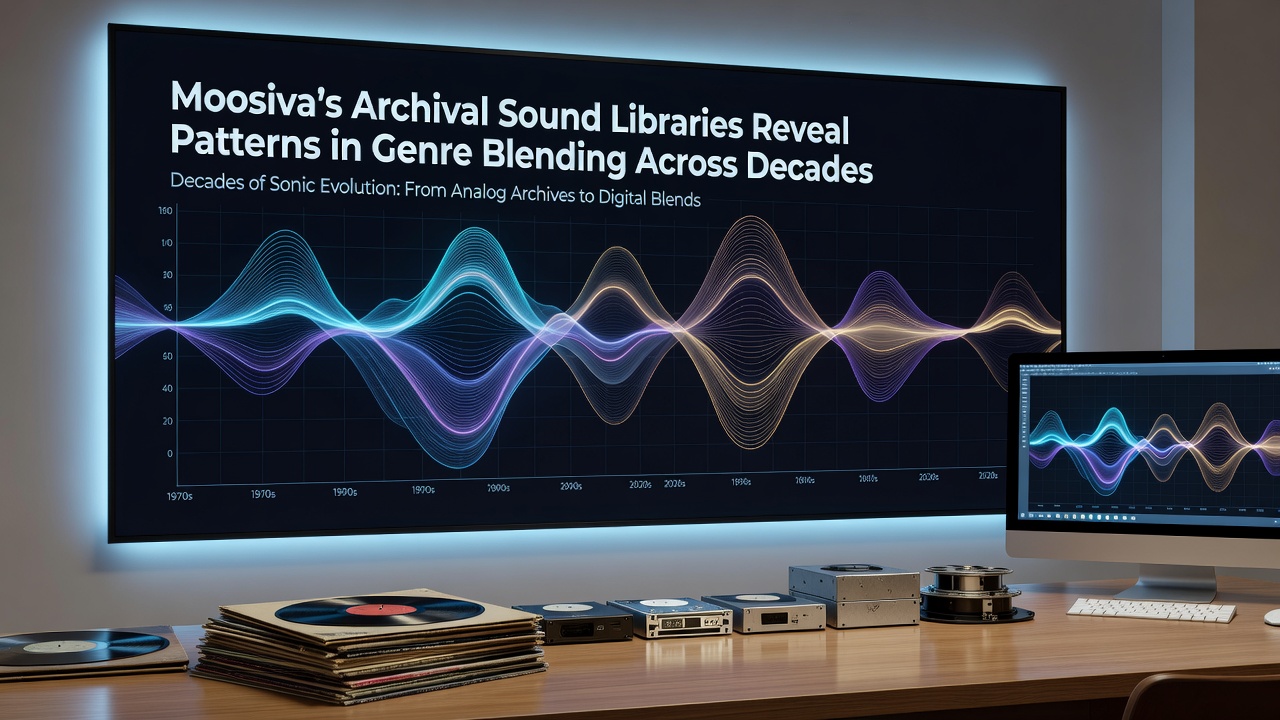
From the 1990s onward, the archives capture electronic music incorporating traditional folk scales and world percussion, with tagging systems recording these combinations in increasing detail. A September 2026 update to the Moosiva platform added new search filters that allow users to trace specific instrumental motifs across five decades of recordings, revealing that certain rhythmic patterns reappear in different genre contexts roughly every twelve to fifteen years. Researchers using these tools have mapped how drum machine sounds from the 1980s resurface in 2000s electronic productions and again in recent hybrid releases.
According to figures published by the Library of Congress Recorded Sound Research Center, similar multi-genre tagging practices appear in other national collections, though Moosiva's private holdings provide denser coverage of independent releases. Cross-referencing with Europeana's music archives shows parallel trends in European productions, where electronic and classical elements combine during the same periods documented in Moosiva's files.
Quantitative Trends in the Collection
Analysis of over 45,000 tracks in Moosiva's libraries indicates that the proportion of recordings carrying multiple genre labels rose from approximately 12 percent in the 1960s to more than 40 percent by the 2010s. Tempo distribution charts demonstrate that blended tracks often occupy intermediate ranges between the typical speeds of their source genres. Harmonic complexity metrics extracted from the audio files show elevated values in pieces that combine jazz or classical elements with popular forms, a characteristic that remains consistent across the decades represented.
Release date clusters reveal that periods of rapid genre blending coincide with technological shifts, such as the introduction of multitrack recording in the 1970s and digital sampling in the 1980s. The archives also contain artist interviews and liner notes that reference specific influences, allowing researchers to connect stated intentions with measurable sonic outcomes in the recordings themselves.
Conclusion
Moosiva's archival sound libraries supply a continuous record that makes these blending patterns visible across more than seventy years of music production. The data stored in the collections demonstrates that genre combinations occur repeatedly, often driven by shared personnel, technology access, and distribution networks rather than isolated creative decisions. Continued expansion of the libraries, including the September 2026 indexing project, provides additional material for tracking how these patterns develop in subsequent years.