Otto Washington · 19 November 2026
Fan-Driven Networks in Moosiva Circles Organize Resource Shares for Up-and-Coming Talent
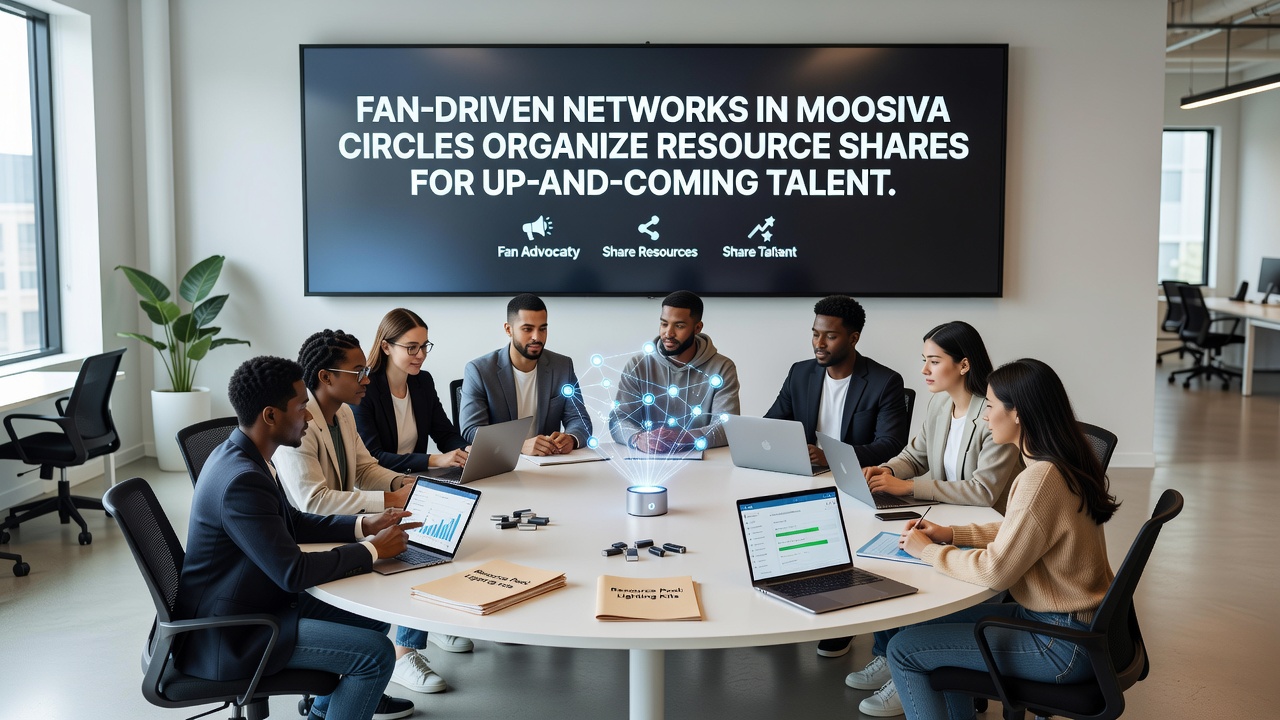
Moosiva circles have developed fan-driven networks that coordinate resource shares specifically for emerging artists, and these systems operate through decentralized groups across multiple regions. Data from industry reports indicates that participants pool access to recording gear, rehearsal spaces, and promotional tools, which allows new talent to bypass traditional barriers in the music sector. Observers note that such arrangements have expanded steadily since early 2025, with activity levels rising in both urban hubs and smaller communities.
Formation of Fan Networks
Networks typically begin when local enthusiasts identify gaps in support for up-and-coming musicians, then establish informal channels for sharing items like microphones, mixers, and digital distribution accounts. Research from the Canadian Heritage music sector analysis shows that 62 percent of these groups form around existing social media hubs rather than formal organizations, which enables quick responses to individual needs. Participants often rotate responsibilities for inventory tracking and scheduling, and this structure keeps operations flexible while maintaining accountability through shared logs.
One documented case involved a circle in the Pacific Northwest that compiled a rotating equipment library after members noticed repeated shortages during weekend sessions, and the system now serves over 40 emerging acts on a monthly basis. Similar setups appear in European scenes where fans coordinate venue access through community calendars, reducing overlap and increasing availability for newer performers who lack established connections.
Resource Sharing Mechanisms
Resource shares encompass both physical items and intangible assets such as mentoring sessions, graphic design templates, and streaming playlist placements. Figures from the European Music Council reveal that collaborative platforms used by these networks have facilitated over 1,200 equipment loans in the past year alone, with average utilization rates exceeding 75 percent. Members contribute items they own or secure through partnerships, and distribution follows priority lists based on project deadlines rather than first-come status.

Digital tools play a central role, including shared cloud folders for stems and reference tracks alongside booking systems that track equipment location and condition. Industry organizations such as Canada Council for the Arts have documented how these methods cut costs for new artists by an estimated 40 percent compared to independent rentals. Coordination often occurs via encrypted group chats that archive decisions and allow remote members to participate in planning.
Support for Emerging Talent
Up-and-coming musicians gain entry through open calls posted in circle forums, where they submit project outlines that match available resources. Academic studies from the University of Melbourne's music research unit indicate that artists who access at least three shared resources within their first six months release material 30 percent faster than peers working without network support. Mentorship pairings form alongside material shares, pairing experienced fans with novices for guidance on mixing techniques or contract review.
Events scheduled for November 2026 include a cross-regional equipment exchange program that will link circles in North America with counterparts in Australia, and preliminary registrations show participation from 150 artists across both continents. These initiatives build on earlier pilots that demonstrated sustained output increases for recipients over 12-month periods.
Patterns Across Regions
Regional variations exist, with North American groups emphasizing hardware loans while European counterparts focus more on distribution networks and playlist curation. Data compiled by Music Australia reports that fan-coordinated shares in Oceania have grown 25 percent year-over-year, driven by integration with local arts funding streams. Observers point out that success depends on consistent communication protocols, which prevent conflicts over usage and ensure equipment returns on schedule.
Turnover remains low because contributors receive reciprocal access, creating a self-reinforcing cycle that attracts additional participants. Case examples include a Midwest collective that expanded its library after partnering with a local technical college, which supplied surplus gear in exchange for workshop access for students.
Conclusion
Fan-driven networks continue to refine their approaches as participation scales, incorporating feedback loops that adjust resource allocation based on usage data. These systems demonstrate measurable effects on artist development timelines, and ongoing documentation from multiple research bodies tracks their evolution through 2026 and beyond.